The Jallianwala Bagh
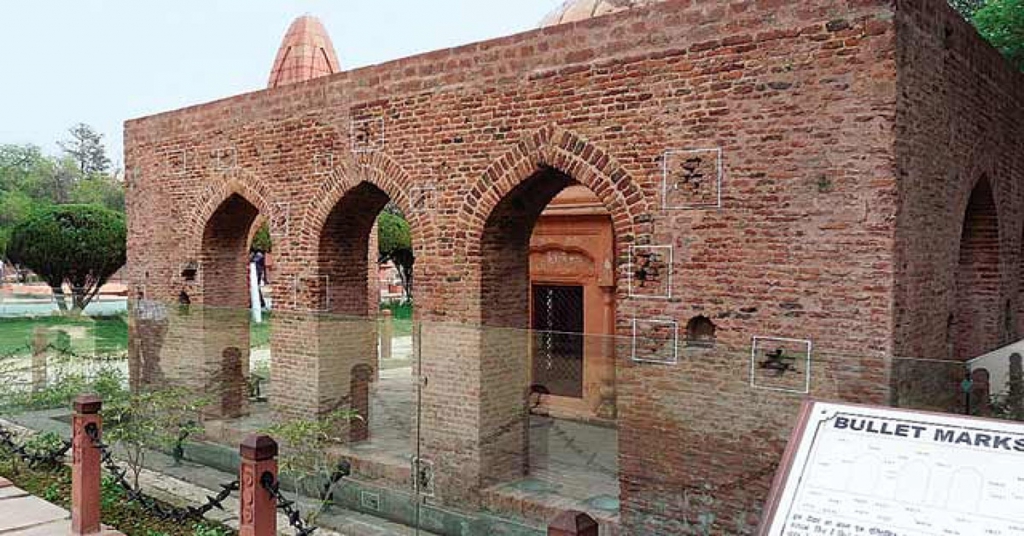
Jallianwala Bagh is a historic public garden in Amritsar, Punjab, that serves as a solemn memorial to one of the most tragic events in India’s struggle for independence. On April 13, 1919, during the festival of Baisakhi, thousands of unarmed men, women, and children gathered in the enclosure to peacefully protest the repressive Rowlatt Act. Without warning, British troops under the command of Brigadier-General Reginald Dyer blocked the only narrow exit and opened fire on the trapped crowd for ten continuous minutes. This brutal act resulted in hundreds of deaths and thousands of injuries, with many victims jumping into the "Martyrs’ Well" within the garden to escape the hail of bullets. Today, the site is a national monument featuring a massive red stone pylon known as the "Flame of Liberty" and preserved walls that still bear the visible marks of the bullets fired that day.
The massacre at Jallianwala Bagh acted as a massive catalyst for the Indian freedom movement, fundamentally changing the relationship between the Indian public and the British Raj. The sheer cruelty of the event led Rabindranath Tagore to renounce his Knighthood in protest and convinced Mahatma Gandhi that complete self-rule, or Swaraj, was the only path forward, directly leading to the launch of the Non-Cooperation Movement. It also fueled the revolutionary spirit of figures like Udham Singh, who witnessed the tragedy and later assassinated the former Lieutenant Governor of Punjab in London as an act of retribution. Beyond its historical weight, the memorial stands as a symbol of national unity and a sacred reminder of the immense sacrifices made by ordinary citizens to secure India’s sovereignty.
The Jallianwala Bagh memorial is centered around a massive 30-foot-high red stone pylon, known as the Flame of Liberty, which stands as the focal point of the seven-acre garden. Unlike a traditional temple, this site is a stark, enclosed public space with high walls that historically had only one narrow entry and exit point. The original well into which many people jumped to escape the gunfire—now famously called the Martyrs’ Well—is preserved within a modern structure. The memorial also features several original brick walls that have been left untouched, with white borders surrounding the actual bullet marks from the 1919 massacre to provide a direct connection to the tragedy.